
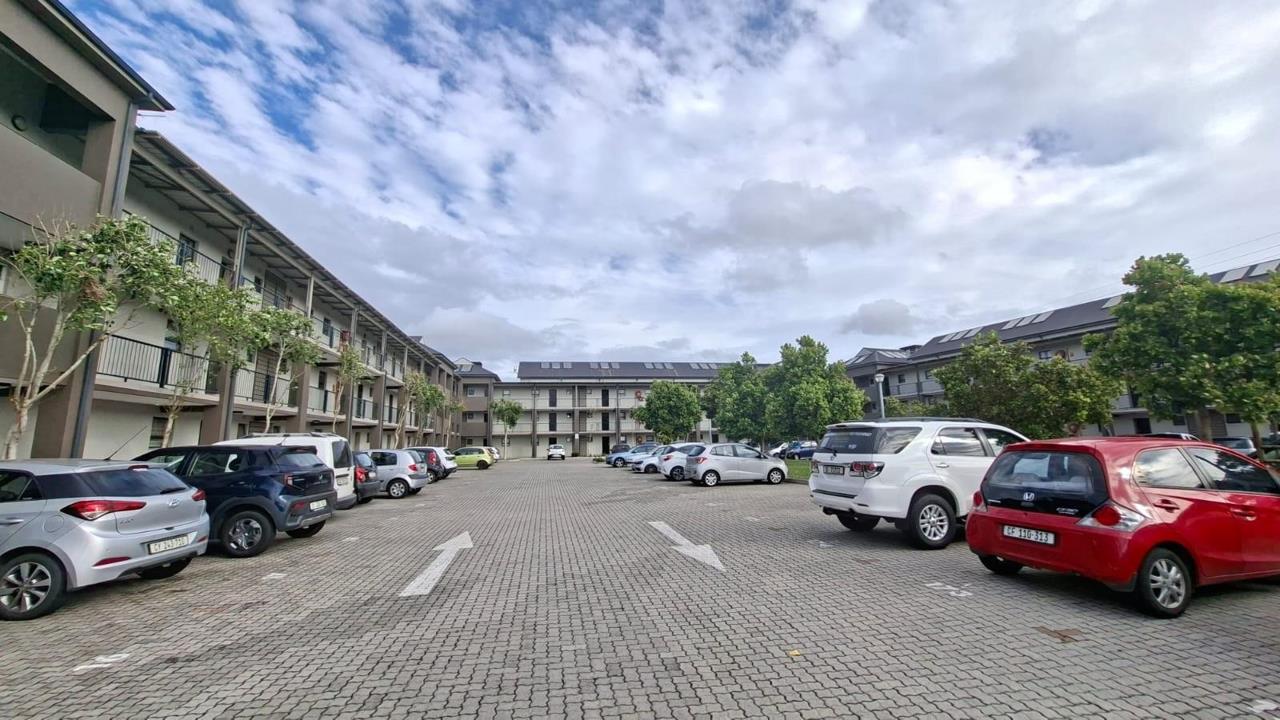
Levies, municipal charges, maintenance, vacancies and management expenses can significantly affect the actual financial return. Understanding those figures helps investors make better long-term decisions.
I’m Pieter Kotze, with more than 35 years of experience in property sales, rental management and investment properties. This guide explains how to assess the performance of a residential investment property.
01
Gross rental yield versus net rental yield
Gross rental yield = annual rental income ÷ current property value × 100. This is a useful first comparison, but it does not account for the costs of ownership.
Net operating yield = (annual rental income less operating expenses) ÷ current property value × 100. Allow for vacancy when estimating the rental income actually collected, then deduct levies, rates, management, insurance, maintenance and other operating expenses.
Operating yield is not cash flow after finance and tax. Bond repayments and tax affect what remains in your bank account; capital appreciation is a separate potential return, not rental income.
02
Expenses investors often overlook
Body corporate levies, special levies and municipal rates and charges can materially change a sectional-title investment’s return. Read body corporate financial information and maintenance plans to understand the risk of future costs.
Allow for repairs, insurance, vacancies and rental management, not only predictable monthly charges. Our management-fee assumption is 9% plus VAT: 10.35% including 15% VAT, applied here to collected rent. Check your individual agreement for the applicable fees.
Future major capital expenditure — such as building work or replacement installations — deserves a separate allowance and risk assessment. The calculator cannot predict these costs or guarantee rental demand.
03
The importance of current market value
Compare the property’s current value with its net income periodically, rather than assessing it only against the original purchase price. Capital tied up in a property today may earn a different yield from the return you calculated when you bought it.
Consider rental income and capital appreciation together, without assuming that past growth will continue. Use verified comparable sales and realistic rental information; asking prices alone are not evidence of achieved value.
04
Holding versus selling
Consider actual net income, potential capital appreciation, maintenance requirements, levy risks and your personal investment objectives. Holding may suit an investor with sustainable income and a long-term plan; selling may suit a different risk profile or need for liquidity.
A selling comparison should allow for commission, other selling costs, potential capital gains tax and outstanding finance before estimating available capital. Compare alternative uses of that capital on a like-for-like basis, considering risk and costs as well as return.
There is no automatic recommendation to sell. Review your tenant and lease position and consult appropriate financial, tax and legal advisers before making a personal decision.
05
A simple investment calculation
Illustration only — not local market data: a property valued at R1 500 000 with rent of R10 000 a month has scheduled annual rent of R120 000 and a gross yield of 8%.
With no vacancy in this illustration, monthly levies of R2 000, monthly rates of R500, annual maintenance, insurance and other costs of R10 000, and management of R12 420 including VAT, annual operating expenses are R52 420. Net operating income is R67 580 — a net operating yield of about 4.51%.
Vacancy or a special levy reduces that result. Bond repayments and tax reduce cash flow further, but are not deducted in operating yield. Adjust the figures below to explore your own assumptions without submitting personal details.
Investment yield calculator
Starting figures are illustrations, not a Buh-Rein valuation. Your entries are not saved.
- Gross rental yield
- 8.00%
- Net operating yield
- 4.51%
- Management fee per year
- R 12 420
- Net operating income per year
- R 67 580
Management: 9% plus 15% VAT, or 10.35% of rent collected after vacancy. Operating yield excludes bond repayments, tax and capital appreciation. Include special levies and other operating costs in your annual allowance; assess future major capital expenditure separately.
About Pieter
Practical advice. Informed decisions.
Pieter Kotze has more than 35 years of experience in property sales, rentals and residential property development. His approach is based on realistic valuations, practical advice and helping property owners make informed decisions.
His rental management, sectional-title and residential property investment experience informs a balanced review of income, ownership costs and long-term options.
WhatsApp Pieter 0832601932